About Us
The problem
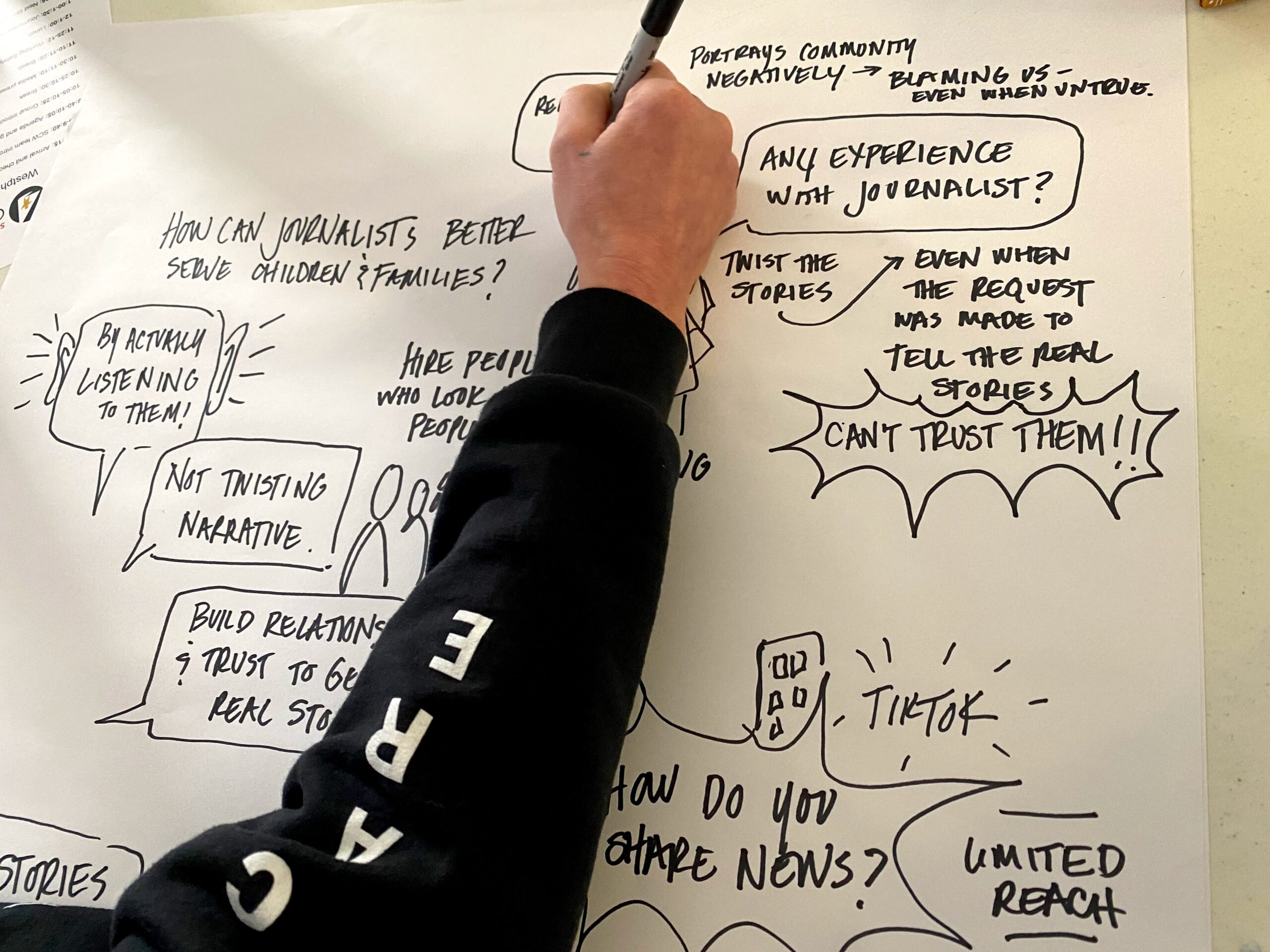
People who have lived through “care” are frustrated by journalists parachuting into their community without attention to reciprocity and trauma-informed practices. They want nuanced reporting that holds people in power to account and highlights how people in/from care are driving change.
But many newsrooms lack the capacity to do investigative or collaborative work. A disproportionately white media has failed to serve Indigenous, Black and racialized families, breeding distrust. Journalists lack the resources and mentorship needed to report on this system in a good way.
Our response
Who we are
Leadership
We’re an ambitious team driven by the belief that good, trauma-informed journalism can influence public policy and help realize more just, equitable systems.
Brielle Morgan
Project Manager
Cheyanne Ratnam
Assistant Project Manager
Francesca Fionda
Data Lead
Tracy Sherlock
Editorial Lead
Advisory
Our advisory includes Indigenous and racialized people with lived expertise on the so-called child welfare system, as well as seasoned journalists. The advisory guides our work and supports the leadership team.
Anna McKenzie
Cheyenne Stonechild
Dylan Cohen
Irwin Elman
Kathryn Gretsinger

Dr. Melanie Doucet
Nebula Shen
Fellows
We prioritize Indigenous, Black and racialized people with lived experience in “care” for fellowships. Fellows help to organize, design and deliver community workshops. They also build resources.
Gage Sabattis
Jaden Dakota Sinclair
Jamey Toney-Gagne

Jess Boon
Nebula Shen
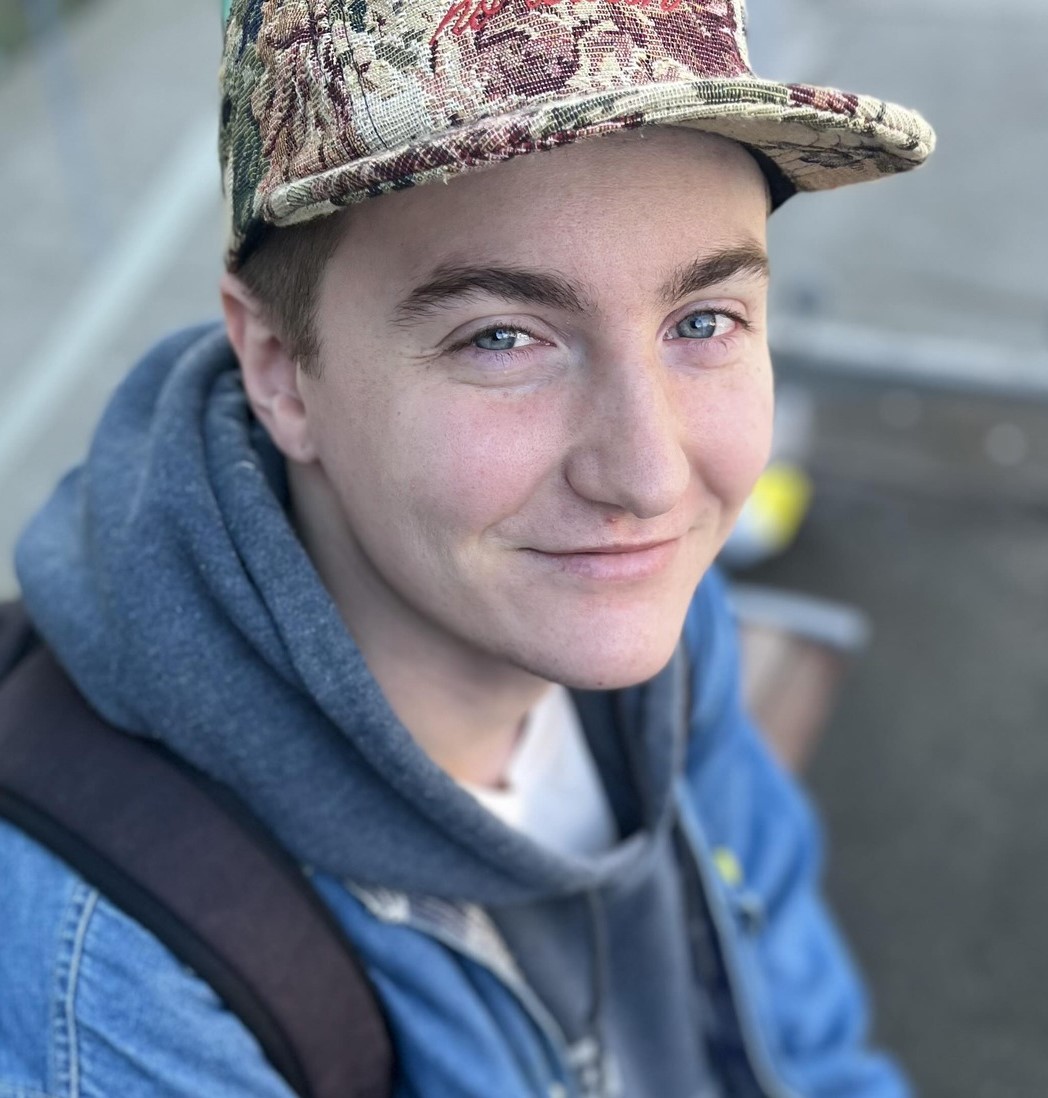
Ryan Wilson

Sasheen Regalado
Sensitivity editors
People who have lived through the “child welfare” system are paid to review stories by journalists in the collaborative before they’re published. Editors draw on their lived experience, as well as professional practice, formal and informal education, and other forms of community-based, identity-based, and subject-matter expertise to provide valuable feedback.
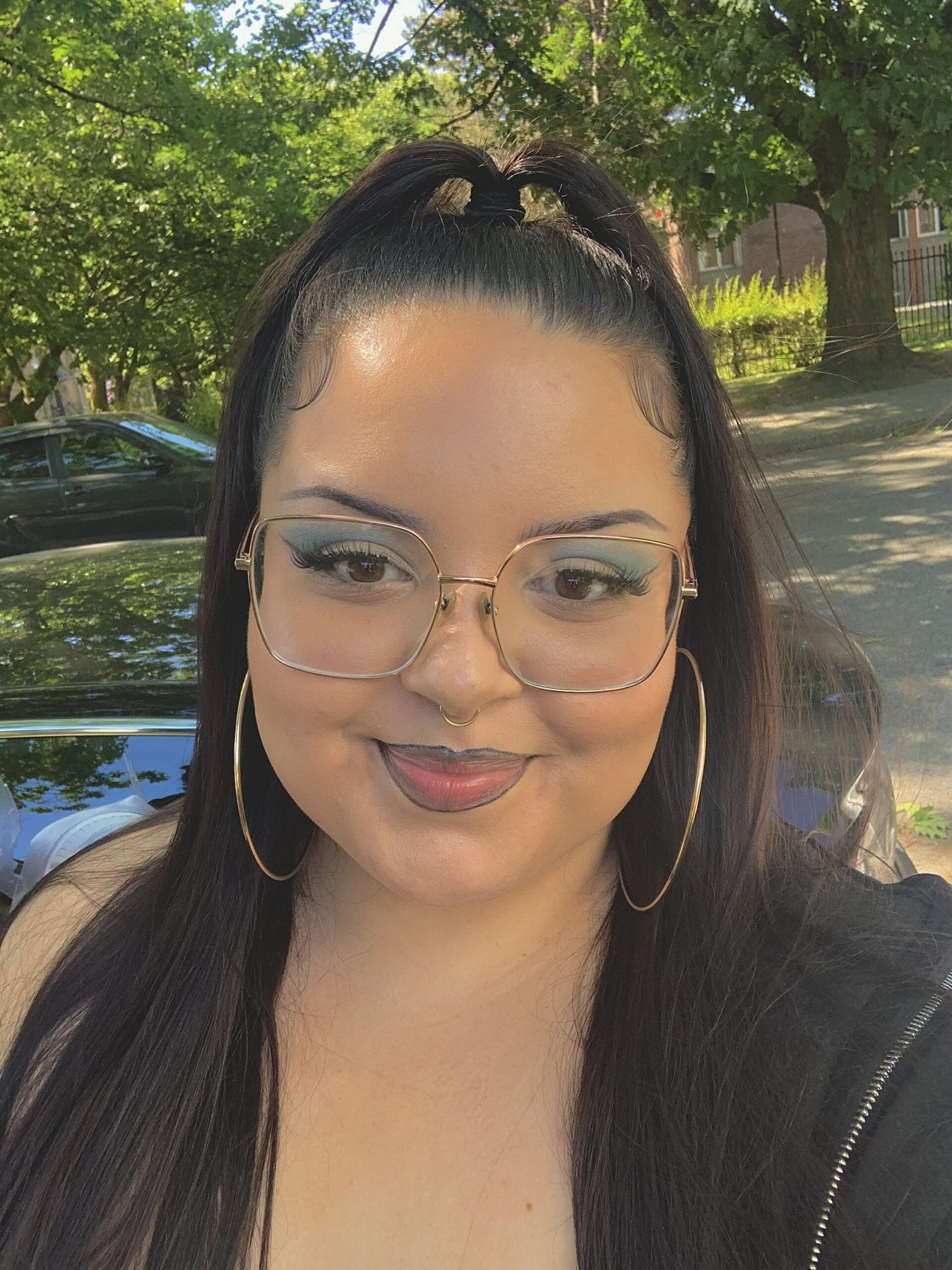
Ashleigh Giffen
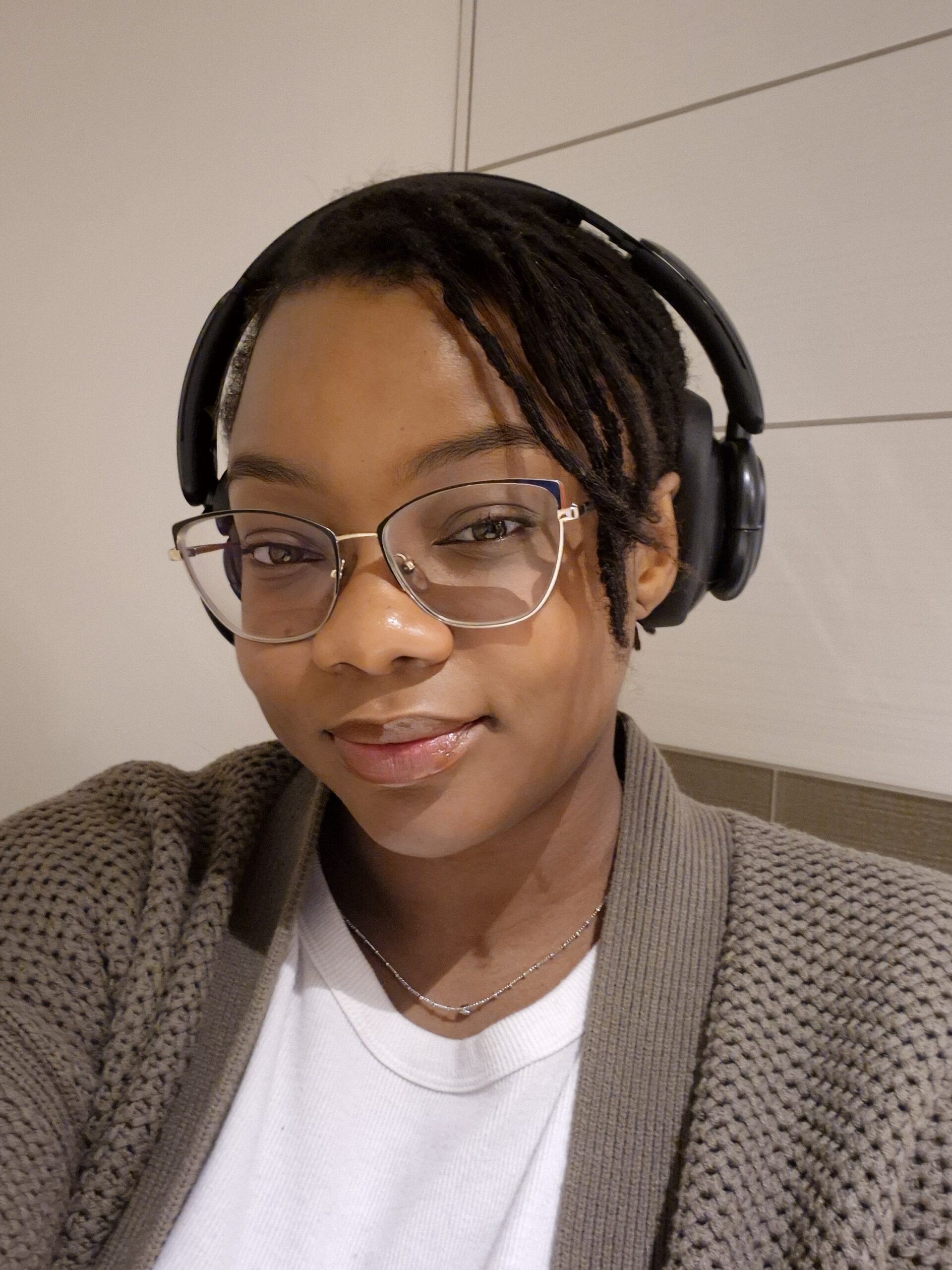
Autunm Sampson
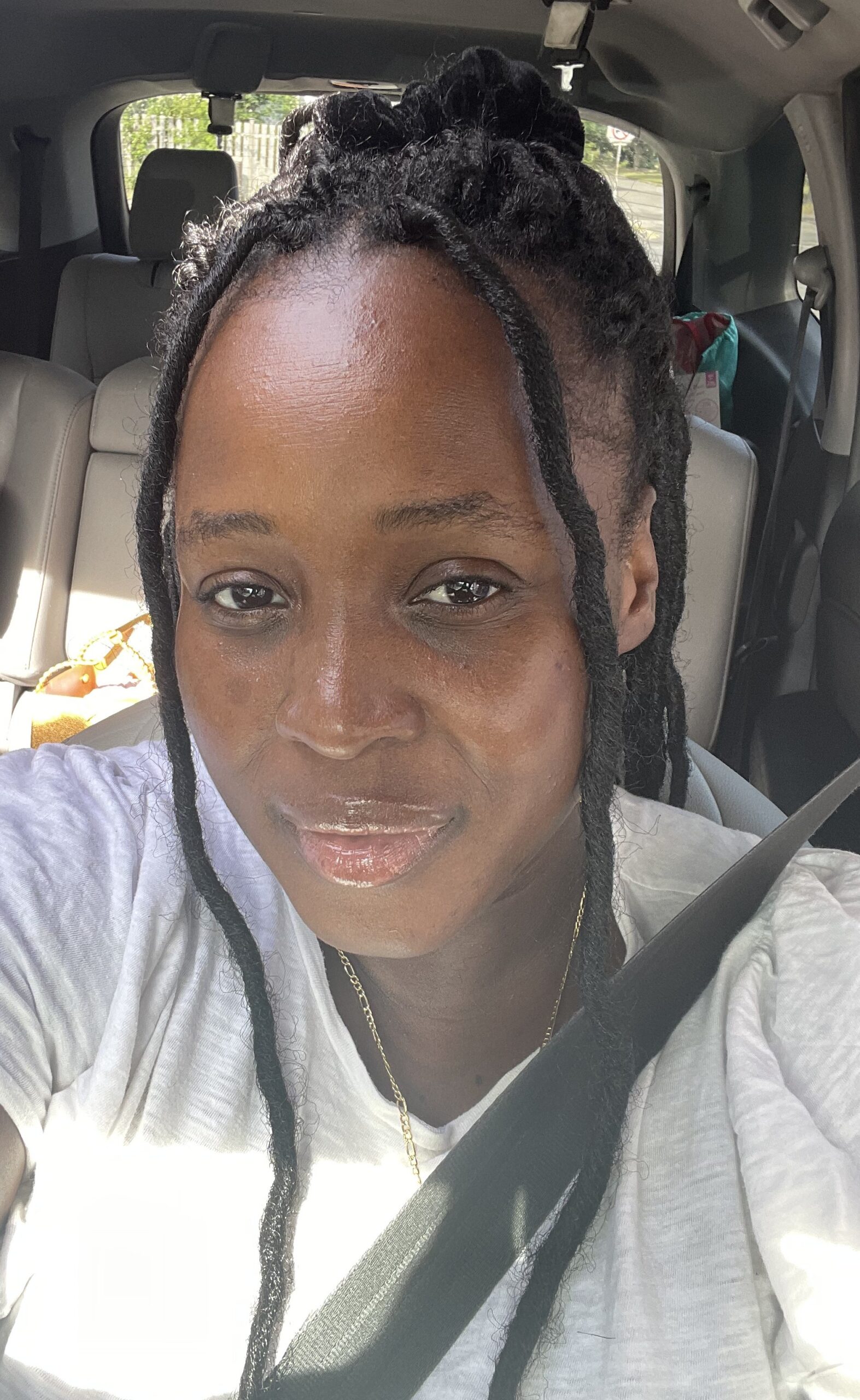
Jemmy Felix
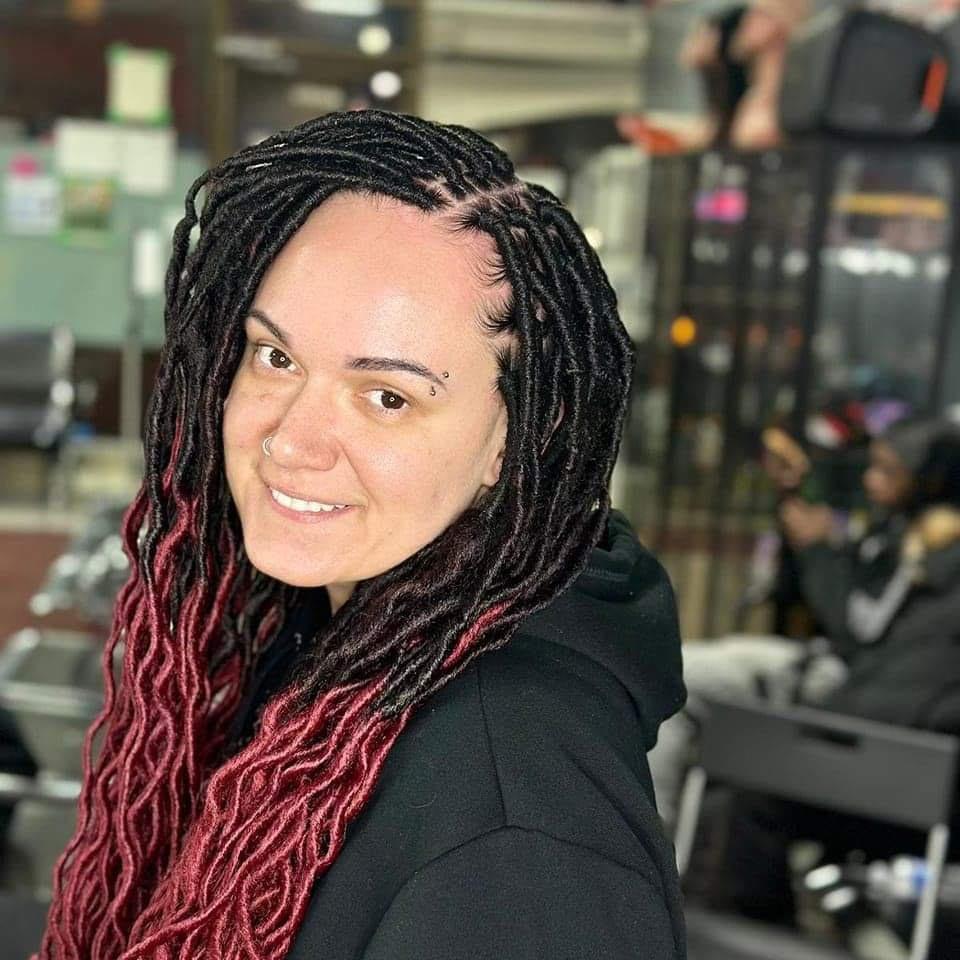
Jenny Desgagne
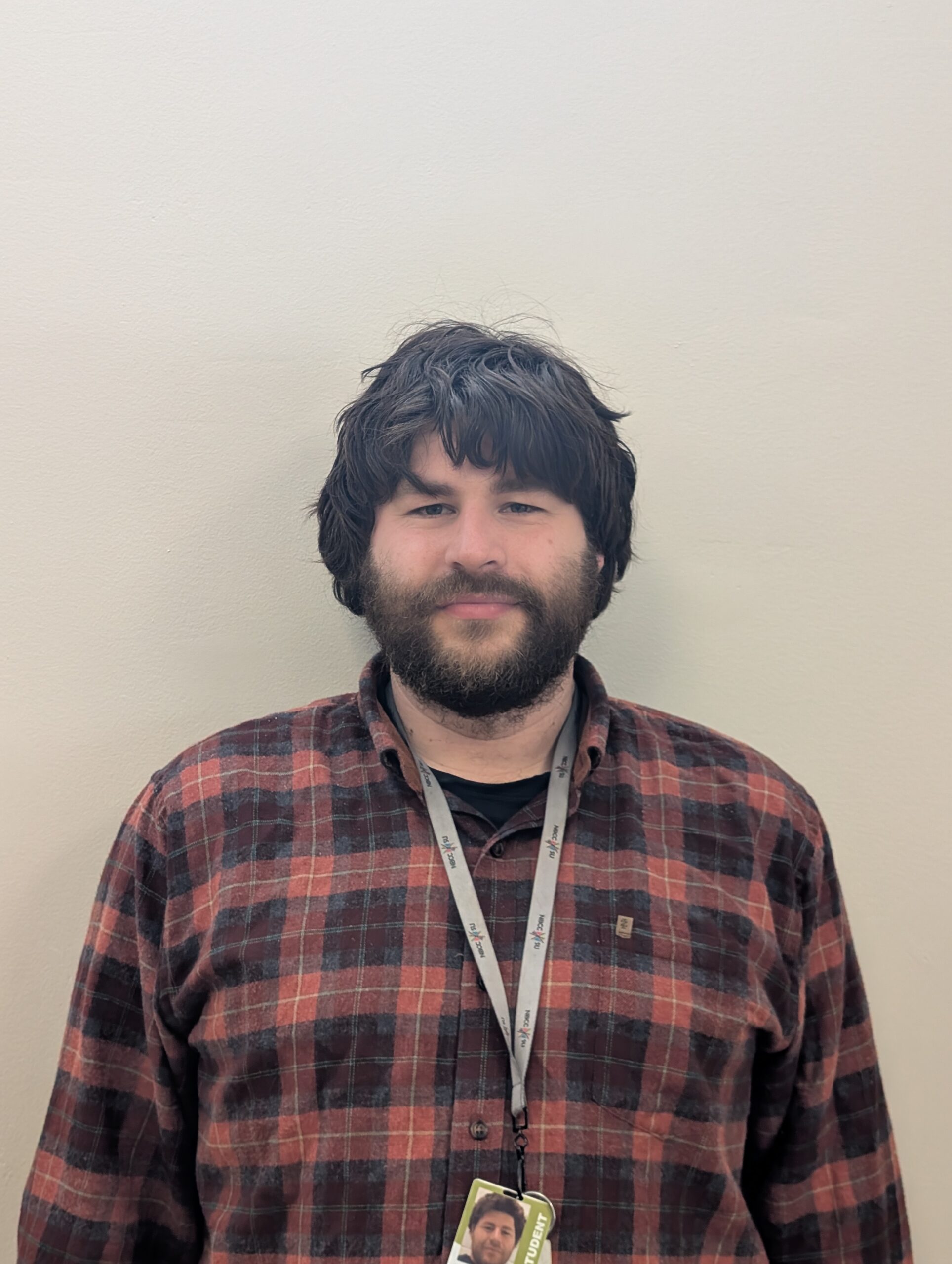
Justin Pothier
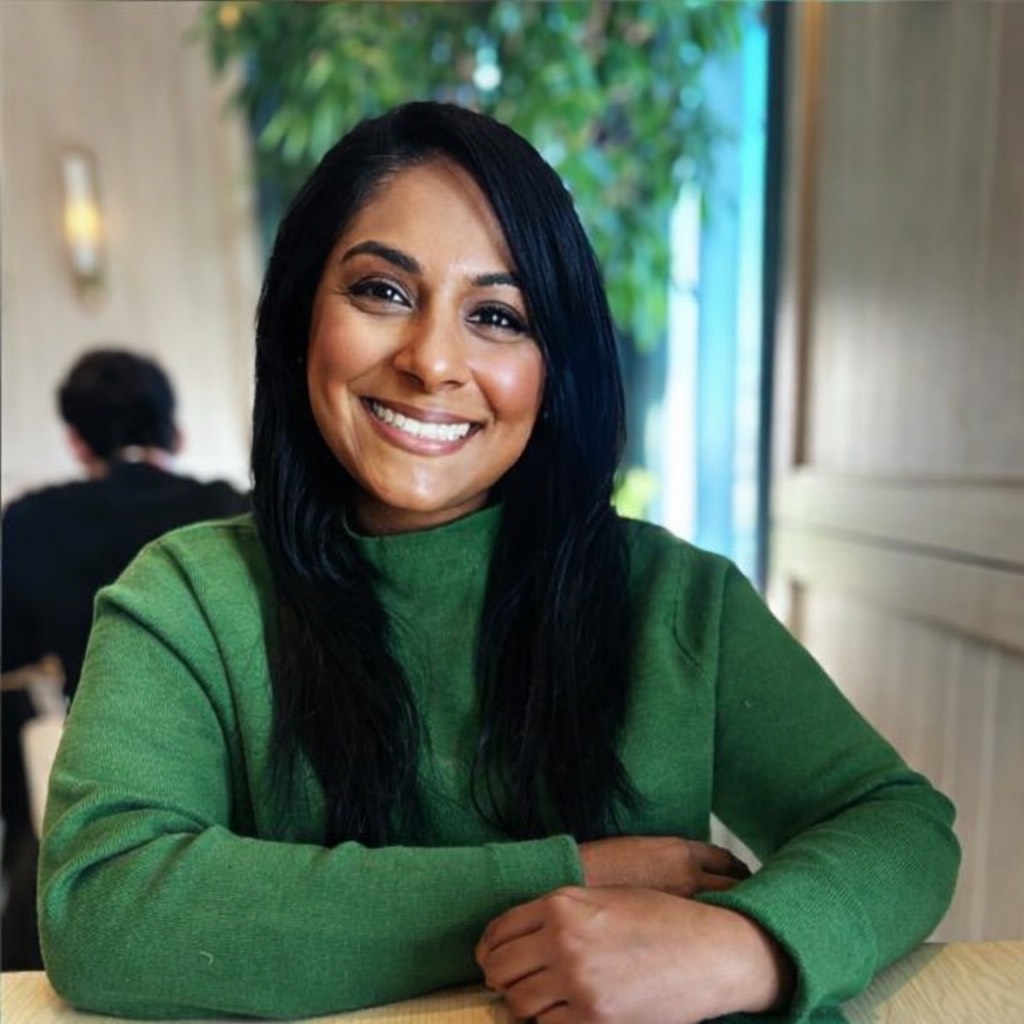
Malanie Dani
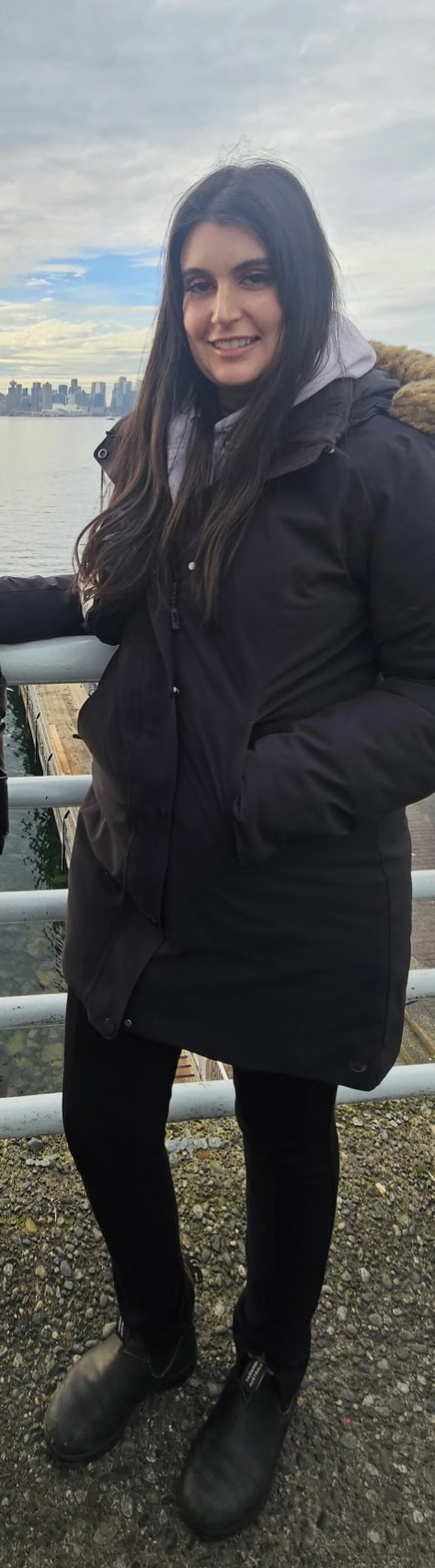
Nina Taghaddosi
Rachelle Metatawabin
Sandra Pronteau

Shay Grundberg
Simran Sidhu
Tyra Spence
History
“Media has a role in changing that stigma that gets placed on our children … It’s an opportunity to change how my children view themselves.” — Kwakwa̱ka̱ʼwakw social worker and mother
The Truth and Reconciliation Commission has called on journalists to improve the way we report on issues impacting Indigenous communities. And Canadian Journalists of Colour and the Canadian Association of Black Journalists have called on journalists to “formally consult with racialized communities about news coverage on an ongoing basis.”
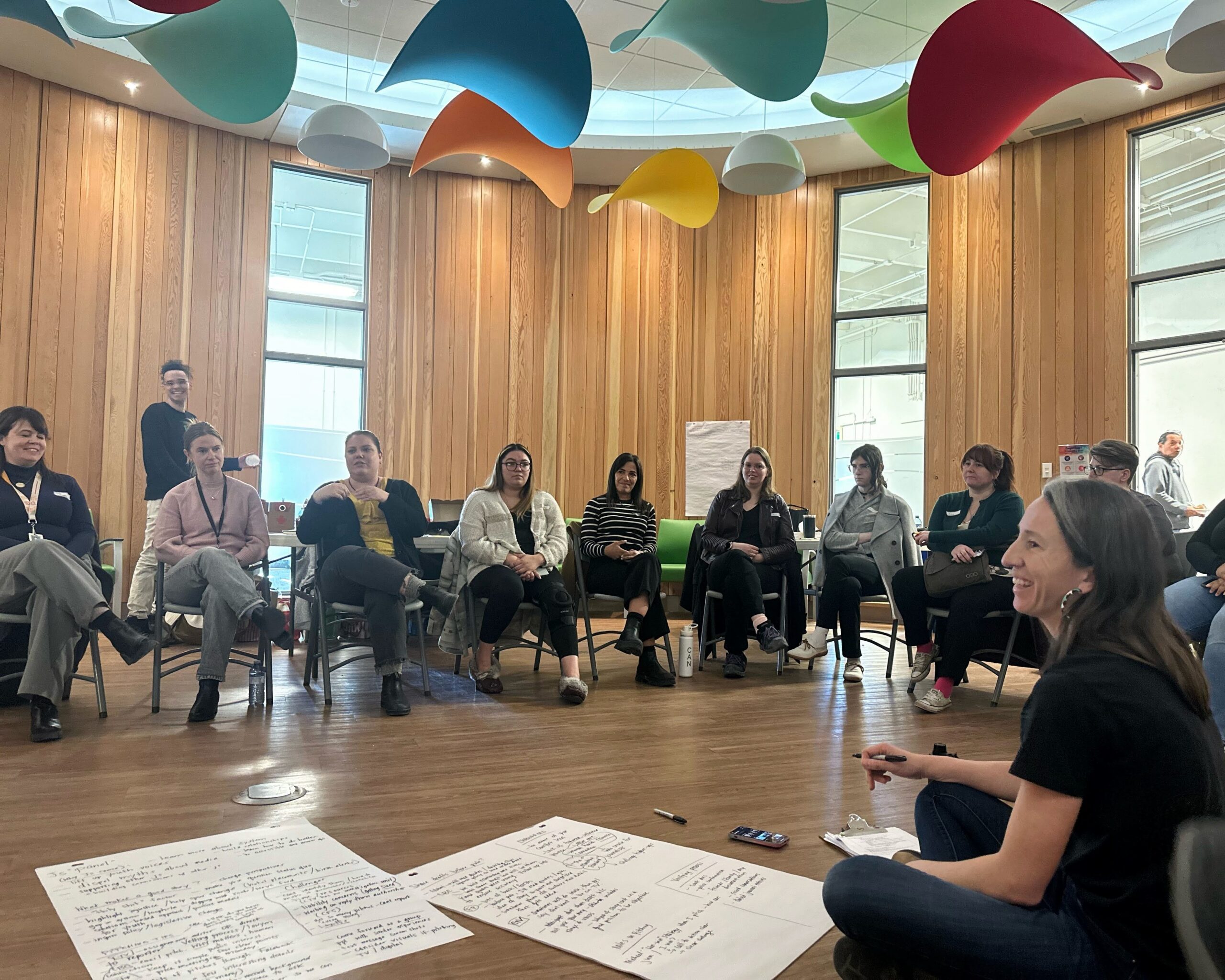
During a workshop series organized by The Discourse in 2017, a panel of advocates with lived experience in government “care” talked about their (mostly negative) experiences with journalists. Indigenous social workers at Surrounded by Cedar Child and Family Services shared stories about how media coverage of the system impacts them and the families they work with. They talked about how they’d like to see journalists show up differently.
We launched Spotlight: Child Welfare in 2018 in response to these calls for better storytelling.